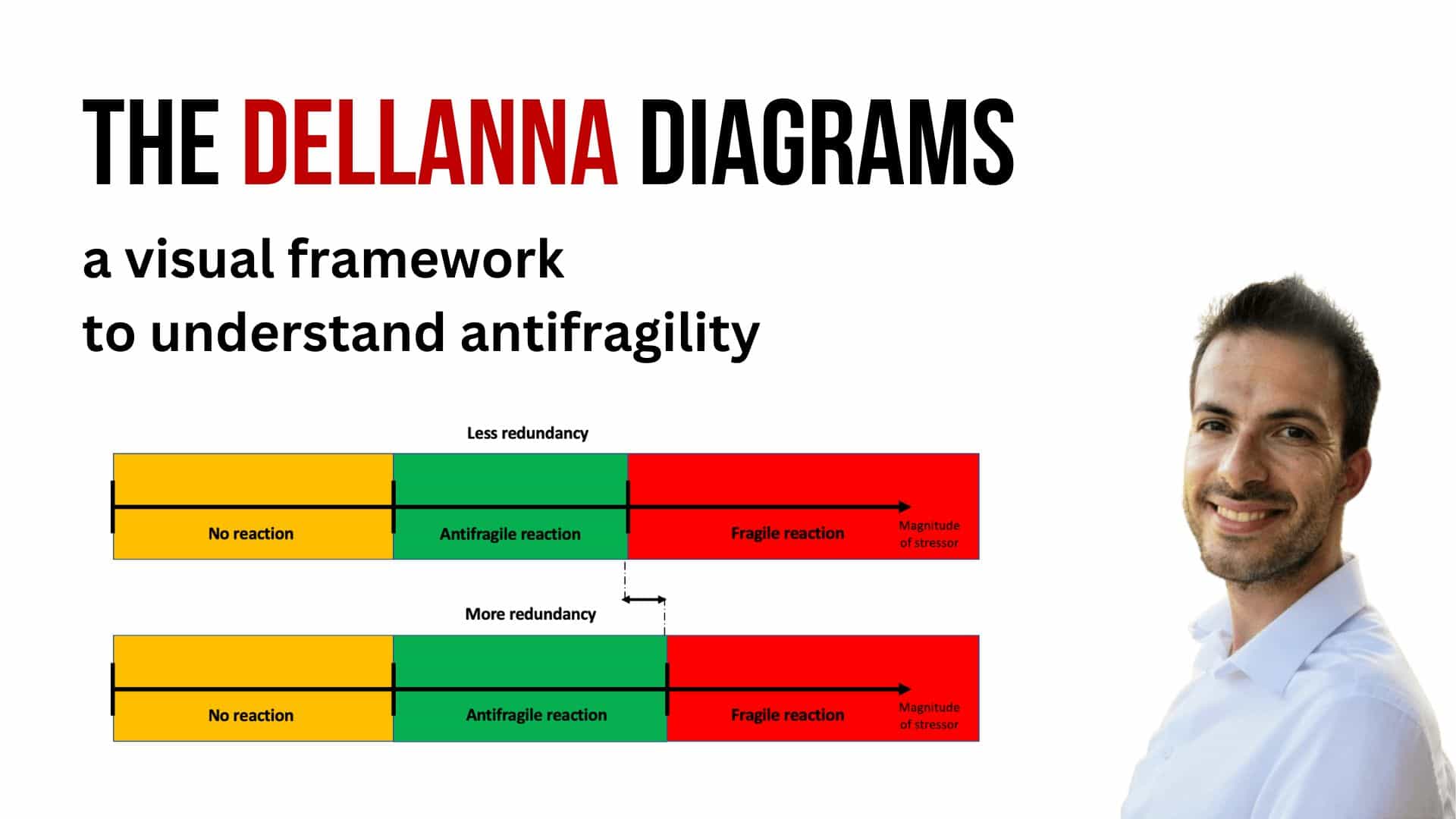
Growth obtained through short-term tactics eventually plateaus. It’s a dead end.
This is a commonly asked question I hear all the time.
Here is how experienced project managers reduce risk:
- They bring their own team to the project, or carefully pick the people they’ll work with.
- They work with people with previous experience on similar projects and strive to use proven technologies instead of reinventing the wheel or trying something that might not work.
- They use Reference-Class Forecasting: instead of predicting how much a project will take and cost by sizing each subtask and summing them, they look for similar projects already concluded and look at their average, eventually adjusting the average for the current project’s specifics.
- They don’t predict the probability of risks materializing. Instead, they assume risks will happen and work on preventing or mitigating them. (The exception being those risks so expensive to insure yourself against, for which estimating the probability is worth doing to prevent costs from skyrocketing.)
- They build relationships with the people who might come in handy if something goes wrong.
- They don’t (just) brainstorm risks but use Ishikawa diagrams to list all possible risks.
- They carefully plan and iterate on their plan with feedback from all stakeholders (including the workers who will execute) before starting execution.
- Once execution begins, they regularly spend time where execution is carried on, to identify problems early.
- They know that the points above are paramount and never compromise on them.
Note: I also highly recommend Bent Flyvbjerg’s excellent book, “How Big Things Get Done,” which inspired some of the points above. Flyvbjerg is the world’s foremost expert in megaproject management. I published a review of the book here.
Subscribe to my newsletter
Receive essays and updates about my work.
Join more than 25000 readers.

You might also like my books




More posts