Autistic Perception: The Magnifying Glass
How people on the autism spectrum perceive the world differently, and why that's both a strength and a challenge depending on the domain.
Published: 2019-06-01 by Luca Dellanna
Imagine reading a book having to use a magnifying glass. If the magnifying power of the lens is low, one full sentence at a time can be read. You can easily focus on the meaning of the sentence as a whole, and you can easily predict what comes next. In the example below, the sentence “You can go hunting with a knife and” can easily be completed with “catch a bear.” This is how a person not on the autistic spectrum perceives the world.
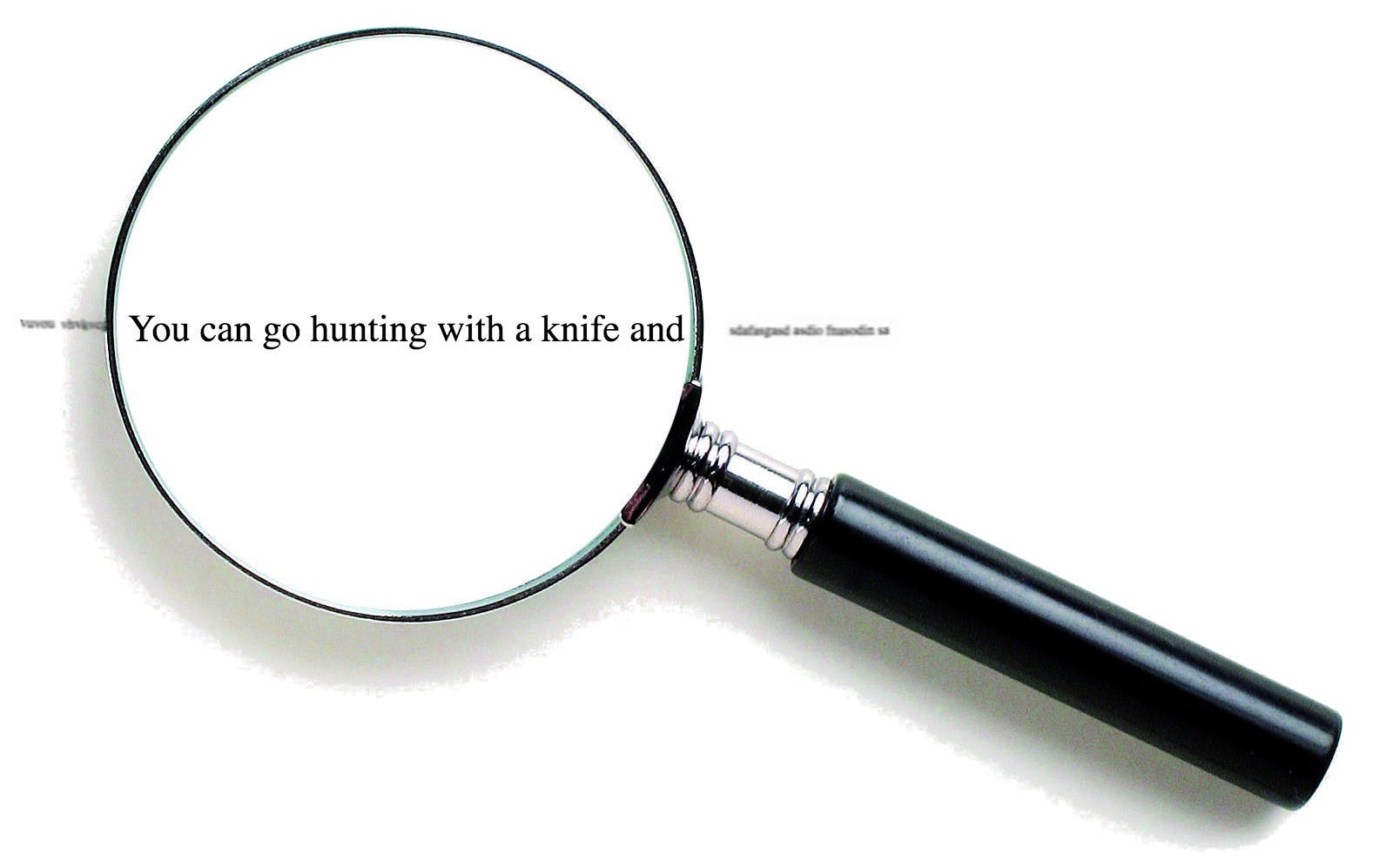
Now imagine having to read using a stronger magnifying glass: this time you can only read a couple of words at once. You start reading from the beginning of the sentence, a few words at a time, until you reach “a knife and.” At this point, your mind (focused on the few words it is seeing) will be tempted to predict the next ones as “a fork.” The full sentence, “You can go hunting with a knife and a fork,” doesn’t make much sense; however, if you take into account that you could only see “a knife and,” the “a fork” completion looks more correct than “catch a bear.” This is how a high-functional autistic person (or someone with Asperger’s) perceives the world.
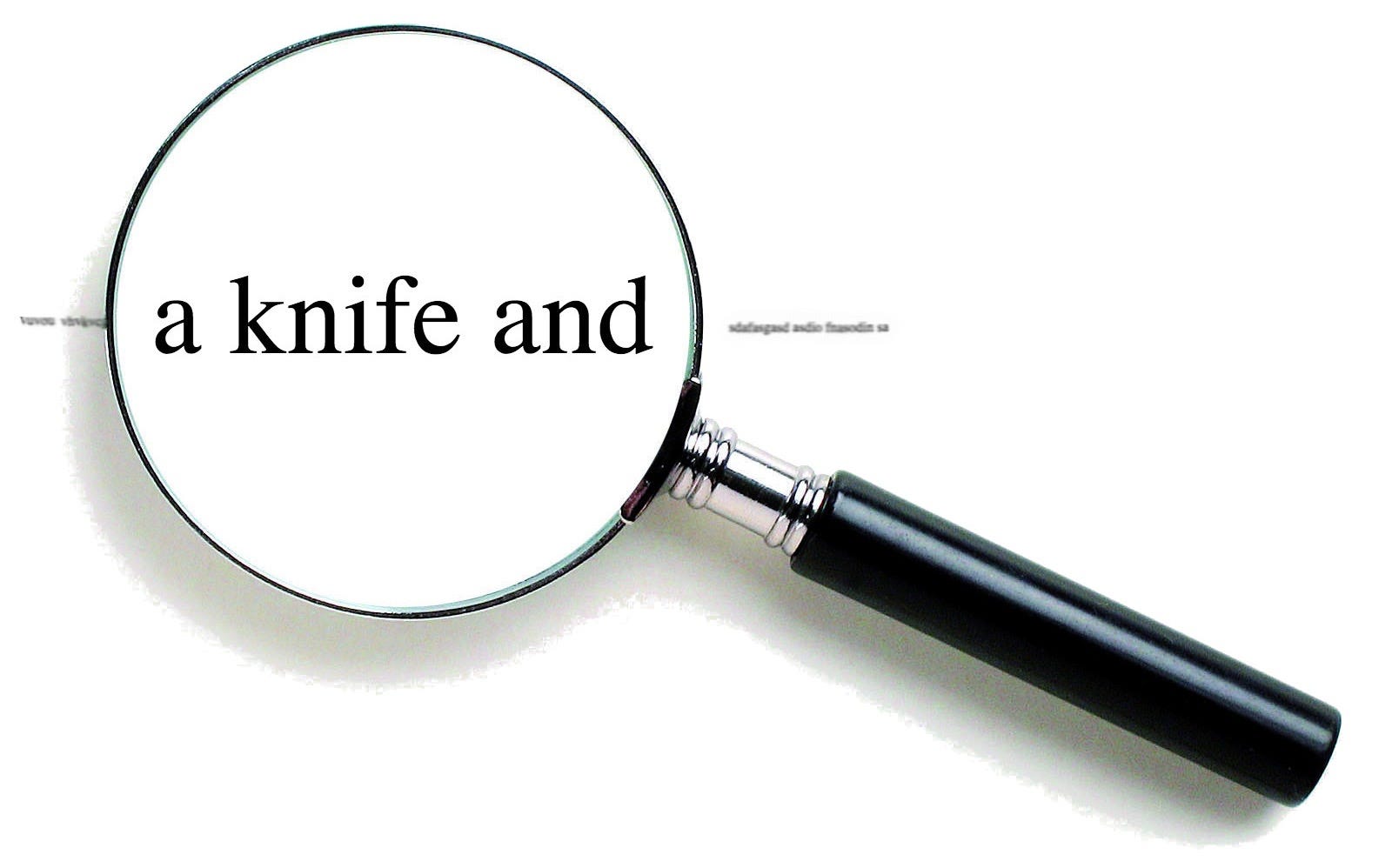
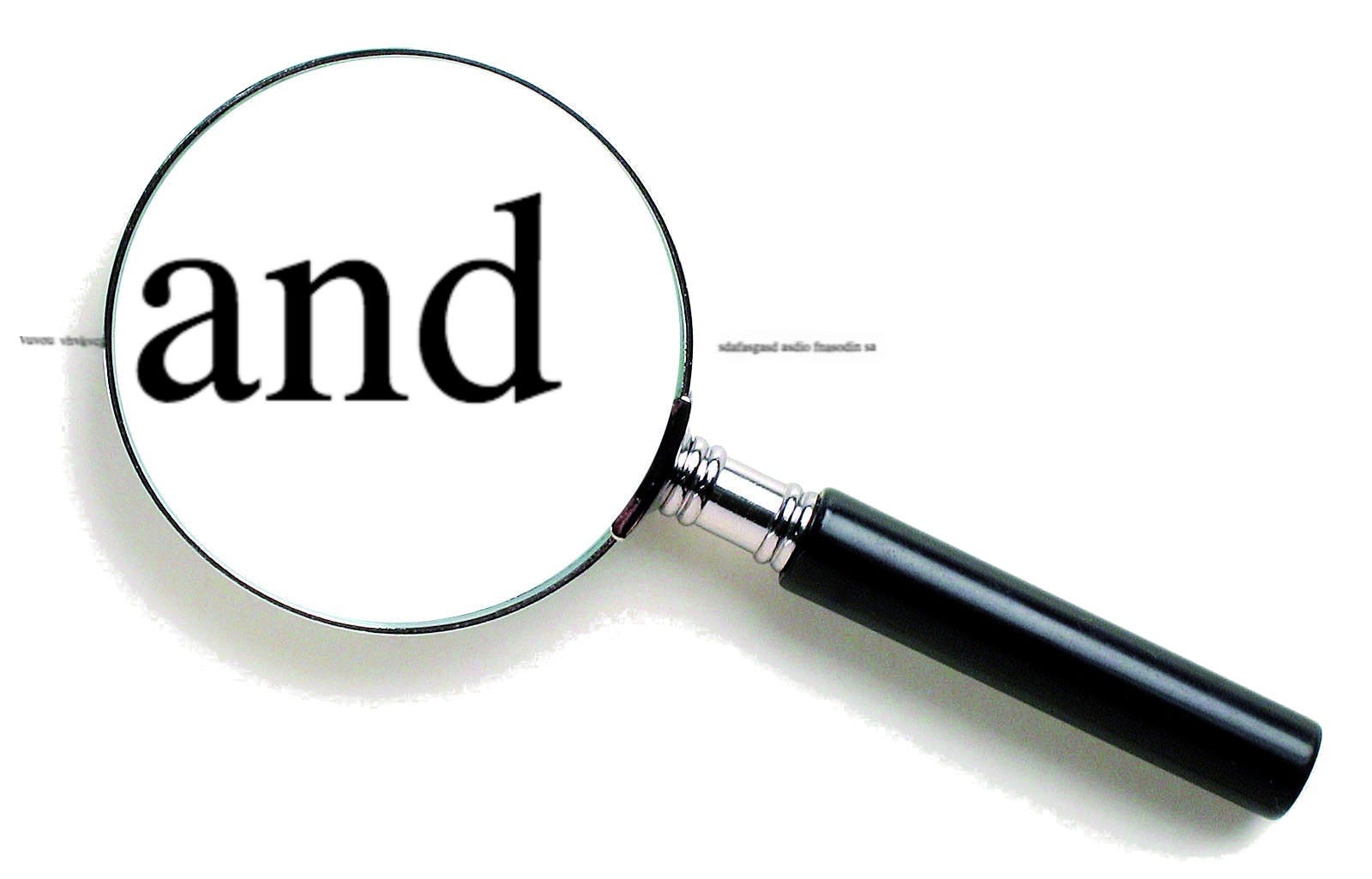
Lastly, imagine having to read using a very strong magnifying glass, whose zoom effect is so strong it will only allow you to see a few letters at a time. You are no longer able to make use of the meaning of the full sentence: you cannot predict which words follow the “and” without using the context provided by the previous ones (which you cannot see anymore). Instead, the letters are now much more detailed to you, and other thoughts start to occupy your mind, such as the font used to print the letters. This is how a low-functional autistic person perceives the world.
Two kinds of domains
There are two domains of learnable patterns: contextual and detailed.
Computer science and physics are detailed domains. Pieces of information are precise; each one has to be exact, and they can be modularized (one can know everything about thermodynamics, nothing about electricity, and still be a great physicist in their field). The magnifying glass is an advantage here, because it allows one to better perceive the all-important details. Unsurprisingly, people on the spectrum are often proficient at computer science and physics.
Sports and social interactions are contextual domains. Pieces of information are not exact, depend on the context, and cannot be precisely modularized (to be a great basketball player, one has to be at least adequate at shooting, defending, and athleticism; to be a great speaker, one has to master not only words but also voice and body language). In these cases, the magnifying glass is a disadvantage, because it prevents seeing the context around the details. Unsurprisingly, people on the spectrum are usually less proficient than average in these domains.
People on the autism spectrum tend to master detailed domains with more ease but experience more difficulty with contextual domains. The further along the spectrum a person is, the stronger their magnifying glass, and the more intense this effect.
It should be noted that very few domains are 100% contextual or 100% detailed. More frequently, they sit somewhere in the middle: for example, 80% contextual and 20% detailed.
The more contextual a domain is, the higher the probability that someone on the spectrum will exhibit an observable, atypical behavior.This framework (the magnifying glass metaphor) is explored in depth in my book The World Through a Magnifying Glass, which proposes the High-Pass Filter Hypothesis as an explanation for autism spectrum disorders.